

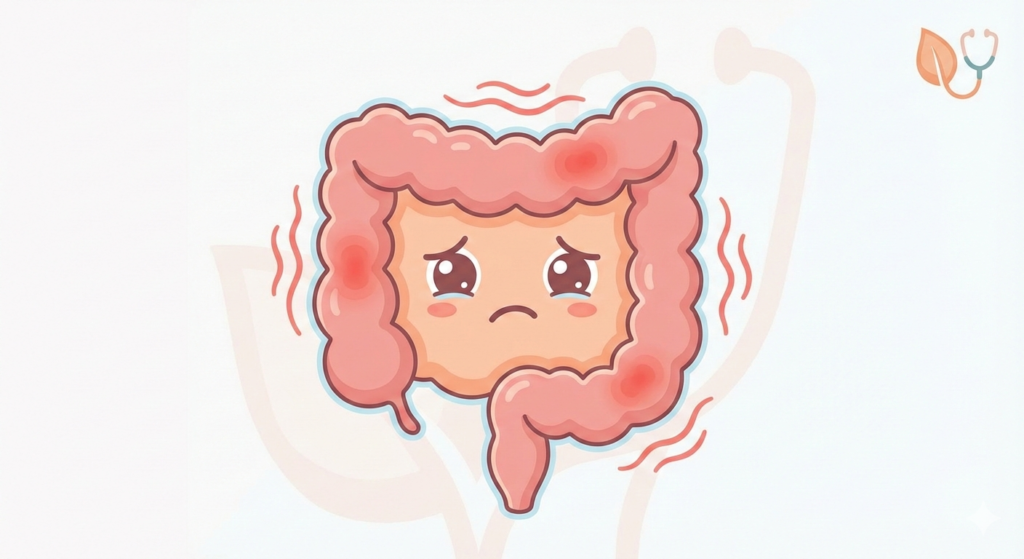

Gut health refers to the balance of microorganisms living in our digestive tract. The term "gut microbiome " refers to the microorganisms living in our intestines. A variety of about 400-500 bacteria inhabit our digestive tract . While some of the microorganisms are harmful to our health , some are extremely beneficial for a healthy human body.
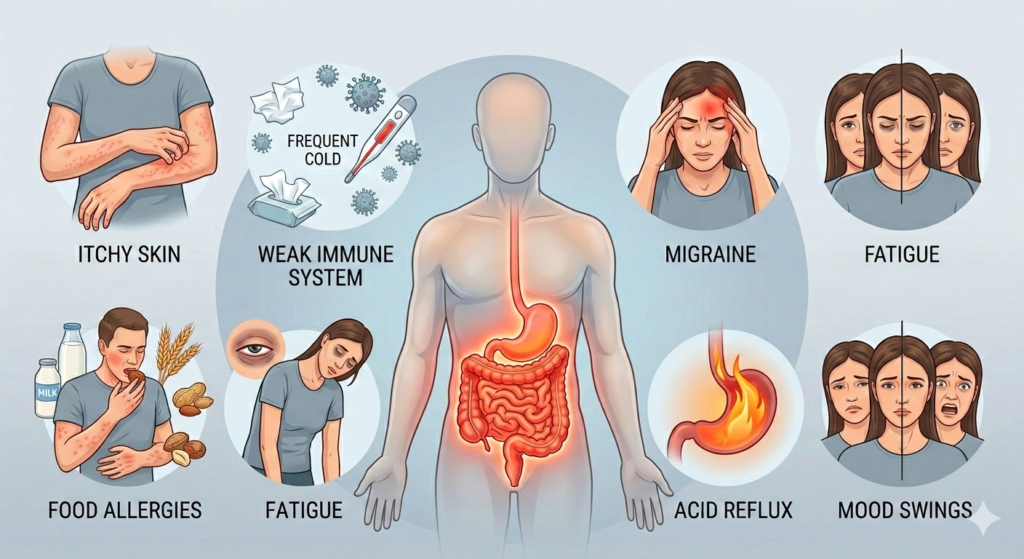
In an unhealthy individual, where gut health is compromised, inflammatory bacteria take over, producing metabolites that can pass through the gut mucosa into the bloodstream, causing inflammation. This lowers our immune system, causing allergies, asthma, diabetes, heart diseases, even cancers.
What damages our gut microbiome ?
High stress levels
Insufficient sleep
Eating processed and high sugar food
Antibiotics
Excessive use of antacids
How unhealthy gut manifests itself?
- An always upset stomach - stomach disturbances like bloating, belching, constipation, acidity, heartburn, and diarrhoea indicate an unhealthy gut.
- Weight changes - Gaining or losing weight due to the body's inability to absorb nutrients, regulate sugar levels and store fats.
- Disturbed sleep - Seratonin , which is a hormone that affects mood and sleep , is produced in the gut . Therefore , an unhealthy gut causes insomnia or poor sleep causing furthur fatigue.
- Itchy skin - poor gut health may cause increased leaking of certain proteins out of the body, causing irritation of skin and eczema-like symptoms, acne, psoriasis etc
- Food intolerances - With poor gut bacteria, digesting certain foods becomes difficult and causes unpleasant symptoms like bloating of the stomach, gas, diarrhoea, abdominal pain and nausea. Certain types of food allergies, too are related to gut health .New sensivities to dairy , gluten or spicy food may arise .
- Craving for sugars - A diet rich in sugar and processed food items can cause inflammation of the gut, damaging the healthy gut microbiome. This leads to increased sugar cravings. It can lead to a number of diseases, even cancers.
- Autoimmune conditions - An unhealthy gut increases systemic inflammation and attacks our immune system. This can cause autoimmune conditions where the body attacks itself rather than fighting harmful invaders.
- Bad Breath - Persistent bad breath, even with good oral hygiene, signals gut microbiome imbalances.
- Mental Health Changes: A poor gut health can often lead to anxiety, depression, irritability, brain fog and poor concentration.
- Constant fatigue and feeling exhausted .
How to Fix your gut?
- Add more fiber to your diet - Fibre acts as prebiotic ( food for good bacteria living in the gut). Increased intake of fibre reduces the risk of issues like constipation and Crohn's disease.Fibre is found in a variety of food like legumes , whole grains , avocadoes ,potatoes , tofu , berries , brussel sprouts leafy vegetables , nuts and seeds
- Stay hydrated always.
- Stress management - Stress causes increased secretion of hormones like adrenaline and cortisol. This causes symptoms like diarrhoea, constipation, stomach pain, heartburn, etc. Belly breathing, relaxation therapy and meditation can help manage stress to a great extent.
- Get enough sleep
- Stay physically active
Understanding gut health is far beyond making quick fixes and trend -driven solutions.Sustainable solutions include balanced nutrition , adequate fibre , staying hydrated , proper stress management , mindful consumption of medicines regular physical activity.
Listen to early signs, seek professional help and address the root cause in order to avoid unnecessary complications.
Paying attention to your gut health today is like an investment for a long and healthy life.
“5 Simple Ways to Improve Gut Health - Harvard Health.” Harvard Health, Feb. 2026, www.health.harvard.edu/staying-healthy/5-simple-ways-to-improve-gut-health-L4C5AETO. Accessed 25 Jan. 2026.